How Revolut Built a Global Financial Empire

A new era for fintechs
Gone are the days when a slick app and a cool card was all fintechs needed to stand out. Today’s consumers want more.
More value.
More convenience.
And this is something market leader Revolut puts at the core of every product they create—a solution that led to 70+ million users globally and $1.4 billion in revenue in 2024. Fintech giants like Revolut aren’t just facilitating transactions; they’re fundamentally reshaping how we interact with money. And a perfect example of this is their approach to embedded insurance.
True value integrated into every subscription
Revolut’s approach to embedded insurance goes beyond adding optional checkboxes to the checkout screen. They seamlessly weave protection into the fabric of their core products.
Think of your worst insurance purchase experience. Did it include:
- 📄 30-page PDFs filled with jargon?
- 🔍 Endless web searches trying to understand what’s covered and what’s not?
- 📞 Phone calls with brokers only available while you’re at work?
- 💬 Long debates with your partner about whether you really need insurance?
Revolut flipped the script.
They bundled insurance into their paid subscription models. Their Plus, Premium, Metal, and Ultra plans include built-in protections that add immediate value for customers:
- Purchase protection covers theft or damage for 12 months on eligible items such as laptops, phones and watches
- Refund protection provides a 90-day window for returning items and receiving refunds
- Event insurance pays out when you have to miss out on a ticketed event
- Delayed flight and lost luggage insurance protects Metal and Ultra customers from unfortunate developments during their holidays
- Emergency medical and dental cover is also available to Metal and Ultra subscribers while they travel
- Cancel for any reason is only available for top-tier Ultra subscribers and it covers up to 70% of cancelled travel costs—for any reason
This shift isn’t only about convenience. It’s a fundamental change to the customer relationship. Insurance is no longer an afterthought but a seamless benefit deeply embedded into the value proposition of their paid plans.
The revenue multiplies itself
The real genius of Revolut's strategy is evident in their financial performance. Embedded insurance isn't just a feel-good feature. It actually helps drive results.
In their 2024 financials, Revolut reported staggering growth directly attributable to their subscription model.
- 74% increase in subscription income: Revolut’s subscription revenue skyrocketed from $303 million in 2023 to an impressive $541 million in 2024. (Source: FF News)
- 45% boost in paid plan adoption: The number of customers upgrading to Plus, Premium, Metal, or Ultra plans surged by 45% year-on-year. (Source: Revolut)
These figures show how millions of customers choose to invest in a Revolut subscription precisely because of the enhanced features and, crucially, the integrated protection that comes with it.
Revolut’s wealth of services, high customer engagement and rapid growth has led to a $75 billion valuation, marking it as a global juggernaut in the fintech space.
The power of stickiness
Where embedded insurance truly shines for Revolut is in fostering long-term customer loyalty.
- Picture this: You’re walking around the city when you pat your pocket only to find your phone gone. Phone thieves. Your stomach sinks. You’d only had it a few months. Luckily, Revolut’s purchase protection kicks in.
- Another scenario: You’re all excited to go on your annual holiday. You’ve been planning this for months and have splurged on some great hotels and activities. But the day of the flight comes and the airport is chaos. Your flight is delayed again and again and by the time you depart, it’s 10 hours after schedule. Luckily, you have delayed flight and lost luggage insurance built into your Revolut plan.
What both of these examples show is how embedded protection builds loyalty. Of course you’ll want to stay with a brand if you feel that they’ve delivered real value when you’ve needed it most. This strategy has helped Revolut reach staggeringly great organic acquisition numbers. A whopping 65% of Revolut’s new customers join through word of mouth referrals!
In your day-to-day, Revolut might be a convenient way to manage money. But tough days? They’re providing real support that makes them stand out from other fintechs and neobanks. Who wouldn’t want to stay with them as their main bank?
In other words, they’re creating a product that is stickier than spilled orange soda.
Just how sticky is it? Let’s look at the numbers
If you want to make sure your purchase is covered by Revolut’s insurance, you need to pay for it using your Revolut card. This means you’re far more likely to use your Revolut card for every single transaction—from your online clothes shopping to big-ticket electronics.
Here’s how embedded insurance transforms a casual user into a devoted customer:
- Increased transaction counts: Industry benchmarks for embedded purchase protection show up to a 20% uplift in transaction frequency, as customers feel more confident spending on high-value items when they know they are protected.
- Higher balances: In 2024, customer balances increased faster than number of customers, showing how Revolut’s growth is led by increased customer engagement.
Once a customer commits to a paid plan, they become far more deeply entrenched in the Revolut ecosystem.
And it was all built through partnerships
While insurance is a core element of Revolut’s paid subscription plans, Revolut itself is not an insurance company—nor do they want to be.
So how can insurance be built into their products? Through seamless white-label partnerships.
The benefits:
- No need to build an insurance infrastructure from the ground up
- New insurance products can be launched quickly
- Underwriting and claims are handled by experts, not by Revolut’s existing team
- No need to hire new people or create an internal insurance department
The takeaway: the world belongs to the fintechs who innovate
Slick apps? Anyone can build one.
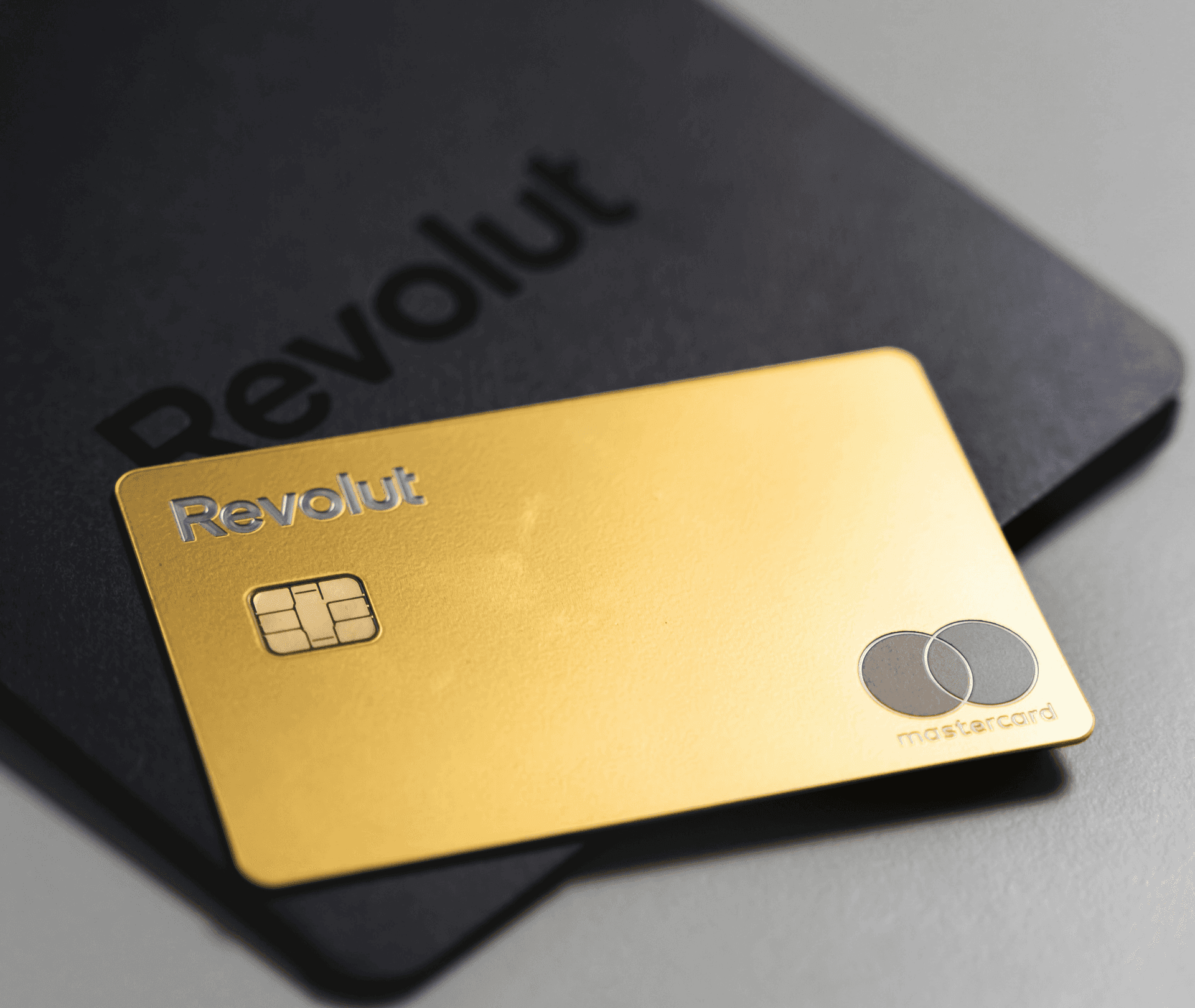
Cards in cool colors or materials? Fun, but the novelty wears off.
Useless perks? They won’t keep customers around long-term.
The real way to stand out in today’s competitive fintech world is to offer features and services that add true value to customers lives, whether it’s benefits they can use every day or safeguards that kick in when they need them most.
Revolut's journey offers crucial lessons for any business looking to enhance customer value and unlock new revenue streams. The embedded finance market is projected to reach $7.2 trillion by 2030. Businesses that understand how to seamlessly integrate financial services, like insurance, into their existing offerings will be the ones that capture the lion's share.
Revolut isn't just selling a card or an app; they're selling confidence, peace of mind, and a holistic financial lifestyle. And that, unequivocally, is a blueprint for enduring success.
Related resources

How One Change Helped Nubank Generate $150M in Passive Revenue
To be competitive in today’s neobanking landscape, Nubank knew they needed to go beyond the basics. They needed a way to deepen customer relationships while generating passive income: and embedded insurance was the key.

What Is White Label Insurance?
White label insurance partnerships let brands launch embedded life and disability coverage under their own name without upfront costs or operational complexity. Learn how it works, key benefits, real-world use cases, and why now is the perfect time to add white label insurance to your platform.

8 Embedded Finance Companies Changing the FinTech Game
The way we manage money in daily life is changing. And embedded finance companies are leading the charge in this transformation.

The Future of Personal Finance Apps
Learn what’s missing in most finance apps, why users want more than budgeting tools, and how personalised income protection keeps your earnings safe when life throws a curveball.